Crochet Abbreviations Cheat Sheet: US & UK Terms Every Beginner Should Know
Crochet Abbreviations Cheat Sheet: US & UK Terms Every Beginner Should Know Introduction If you’ve ever opened a crochet pattern and felt confused by abbreviations like ch, sc, dc, or sl st, you’re not alone. Every crocheter starts by learning these common terms, and once you understand them, following any crochet pattern becomes much easier….
Crochet Abbreviations Cheat Sheet: US & UK Terms Every Beginner Should Know
Introduction
If you’ve ever opened a crochet pattern and felt confused by abbreviations like ch, sc, dc, or sl st, you’re not alone. Every crocheter starts by learning these common terms, and once you understand them, following any crochet pattern becomes much easier.
This crochet abbreviations cheat sheet is designed especially for beginners. You’ll learn the most common US and UK crochet terms, understand what each abbreviation means, and discover how to read crochet patterns with confidence. Whether you’re making baskets, blankets, amigurumi, or home décor projects, this guide will help you avoid mistakes and enjoy the crochet process.
Before you start your first project, having the right tools can make learning easier.
Recommended for Beginners:
👉 Check the Beginner Crochet Kit on Amazon
What Are Crochet Abbreviations?
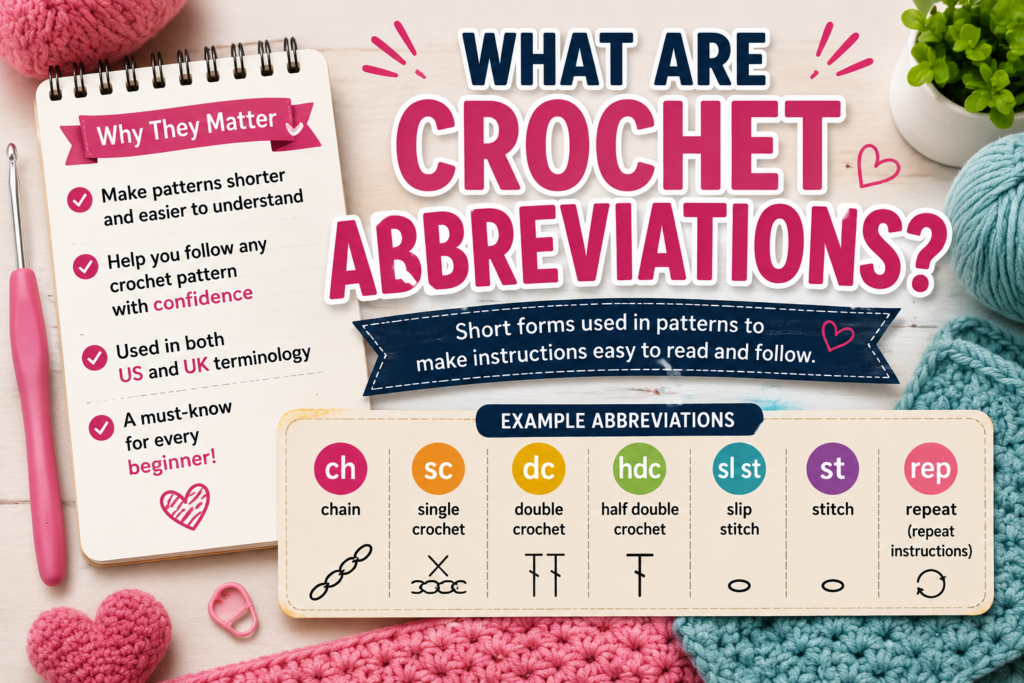
Crochet abbreviations are short forms used in crochet patterns to make instructions simple and easy to follow. Instead of writing “chain stitch” every time, designers simply write ch. Likewise, single crochet becomes sc, and double crochet becomes dc.
These abbreviations help keep patterns shorter, cleaner, and easier to read. Almost every modern crochet pattern uses them, whether it’s a beginner project or an advanced design.
Different designers may format their patterns slightly differently, but the most common abbreviations are recognized worldwide. Once you memorize the basic ones, you’ll be able to read thousands of crochet patterns without difficulty.
If you’re new to crochet, don’t worry about memorizing every abbreviation at once. Start with the basics, practice them in small projects, and they’ll quickly become second nature.
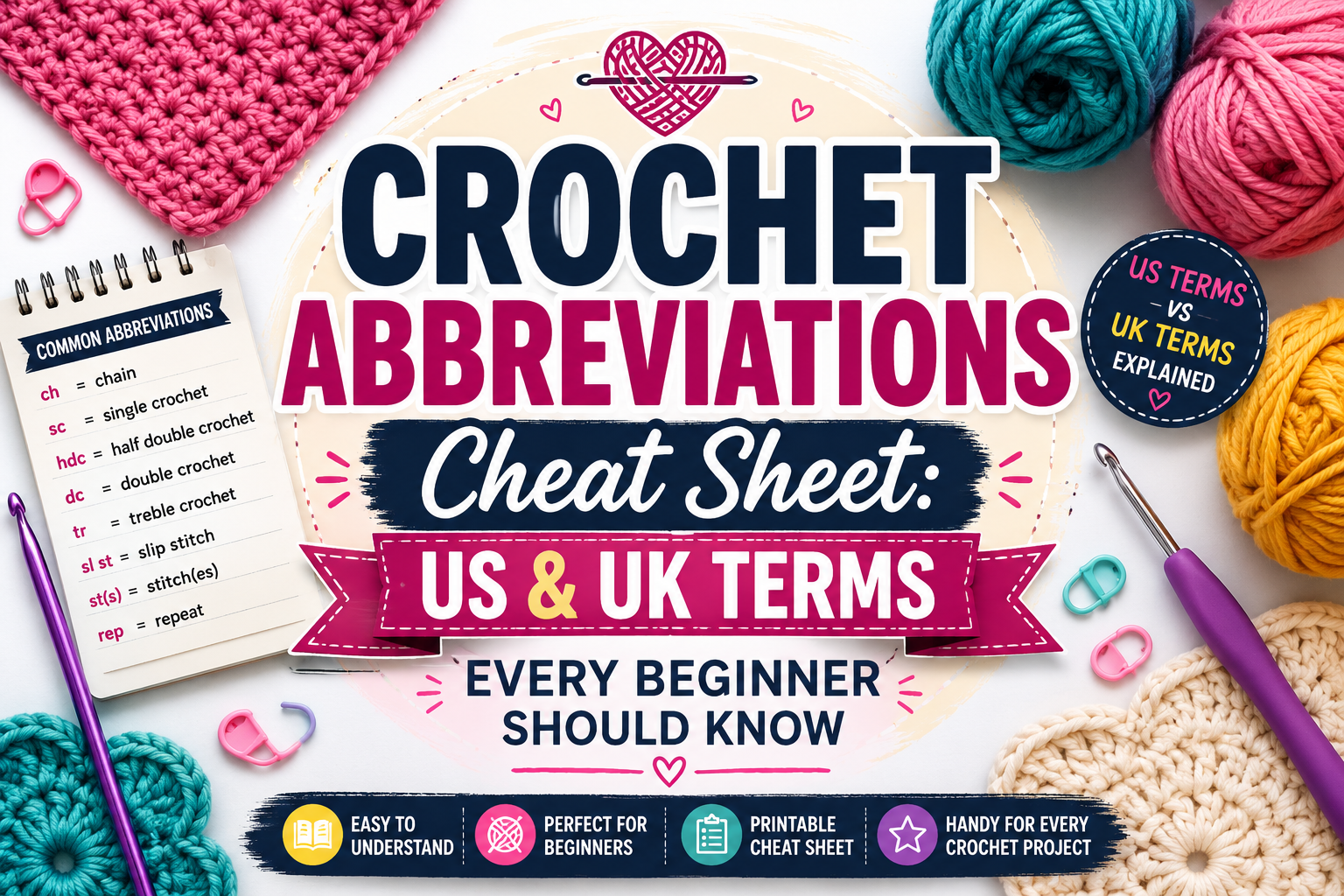
Common Crochet Abbreviations Every Beginner Should Know
Below are some of the most frequently used crochet abbreviations you’ll see in patterns.
| Abbreviation | Meaning |
|---|---|
| ch | Chain |
| sc | Single Crochet (US) |
| dc | Double Crochet (US) |
| hdc | Half Double Crochet |
| tr | Treble Crochet |
| sl st | Slip Stitch |
| st | Stitch |
| sp | Space |
| rep | Repeat |
| rnd | Round |
Learning these abbreviations first will help you understand the majority of beginner crochet patterns.
As you gain experience, you’ll naturally come across more advanced abbreviations, but these basic terms are the foundation of almost every crochet project.
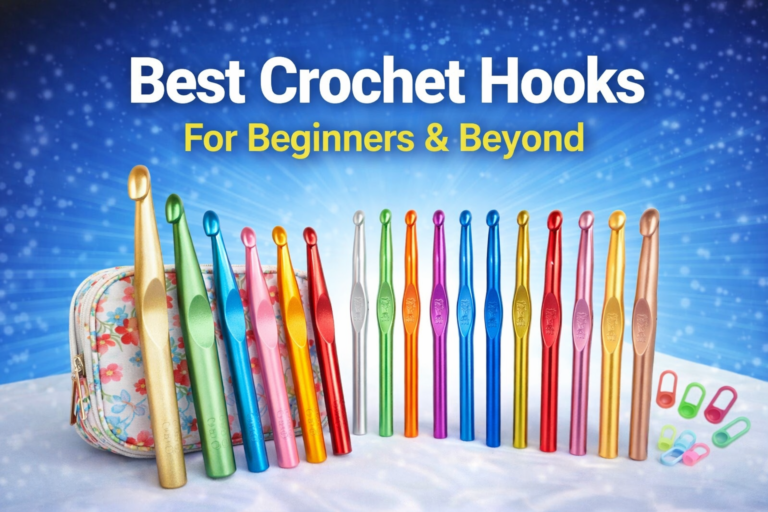
To practice these stitches comfortably, a quality crochet hook set can make a noticeable difference, especially if you’re still learning proper hand positioning.
👉 Check the Beginner Friendly Crochet Hooks Set on Amazon
US vs UK Crochet Abbreviations: What’s the Difference?
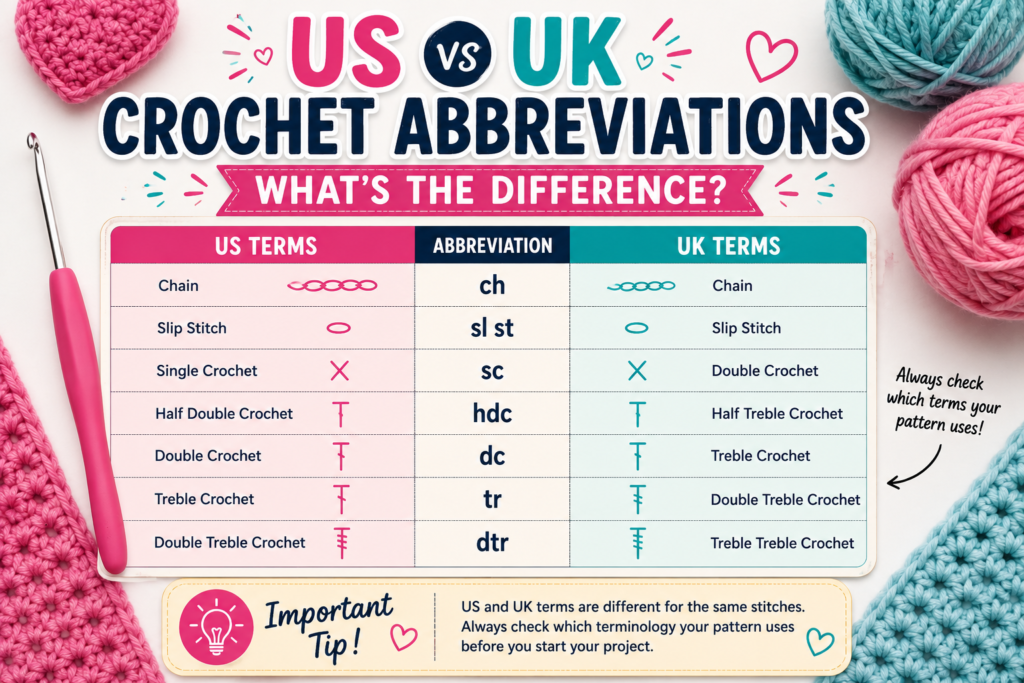
One of the biggest challenges beginners face is understanding that US and UK crochet patterns use different terminology. While many abbreviations look similar, they often represent completely different stitches. Reading a UK pattern as if it were written in US terms can completely change the size, texture, and appearance of your finished project.
For example, dc (double crochet) in US terminology is not the same as dc in UK terminology. In UK patterns, dc actually means single crochet (sc) in US terms. Likewise, the US double crochet (dc) is called treble crochet (tr) in UK patterns.
Before starting any project, always check whether the designer uses US or UK crochet terms. Most professional pattern designers clearly mention this at the beginning of the pattern. Taking a few seconds to verify the terminology can save you hours of frustration later.
If you’re just getting started, using quality yarn makes it easier to see your stitches and understand pattern instructions.
👉 Recommended Cotton Yarn for Beginners
How to Read Crochet Patterns Using Abbreviations
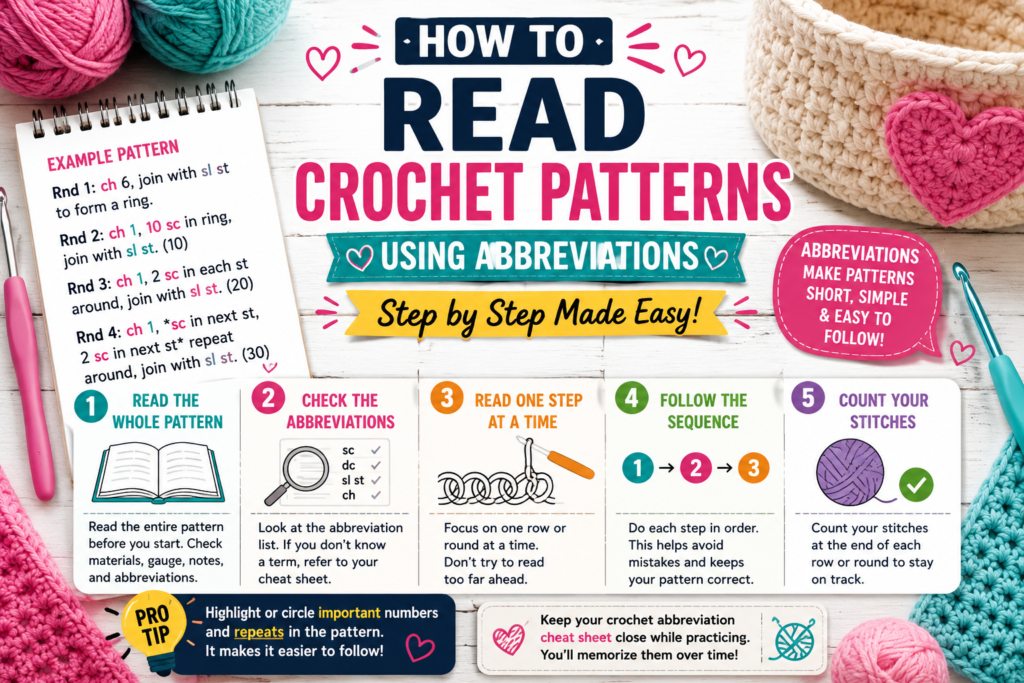
Once you know the basic abbreviations, reading a crochet pattern becomes much easier. Start by reading the entire pattern before making your first stitch. Pay attention to the materials list, hook size, gauge, and any notes provided by the designer.
Next, identify the abbreviations used throughout the pattern. Most patterns include a small abbreviation guide near the beginning. If an abbreviation is unfamiliar, refer back to this cheat sheet before continuing.
Remember that crochet patterns are written as a sequence of instructions. Read one step at a time instead of trying to understand the entire pattern at once. As you complete each row or round, your confidence will grow, and the abbreviations will become familiar.
Common Mistakes Beginners Make When Reading Crochet Patterns
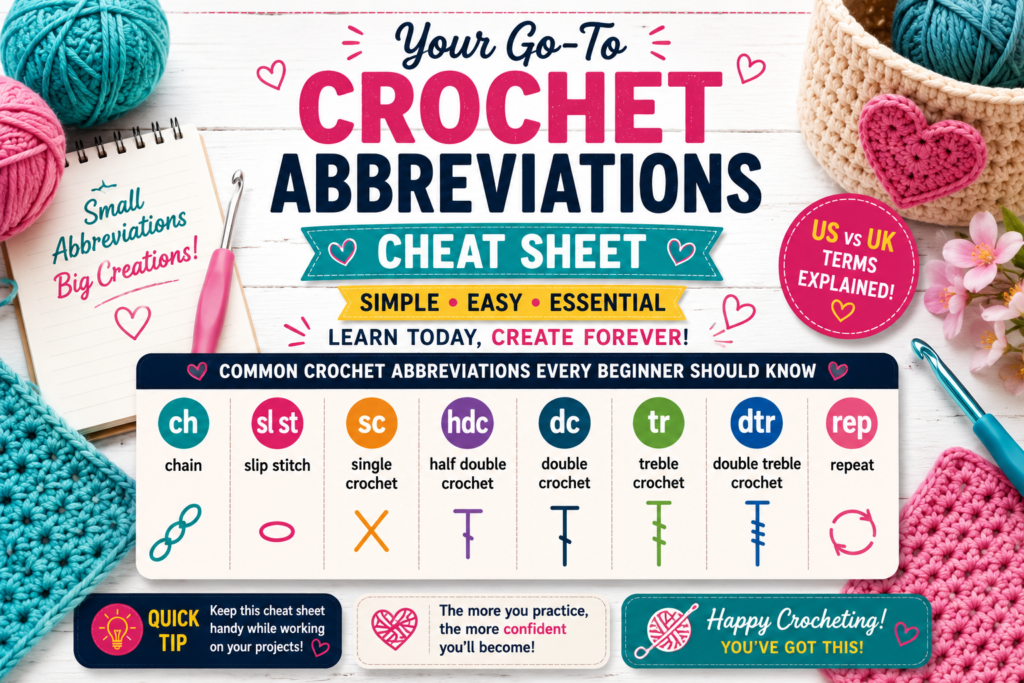
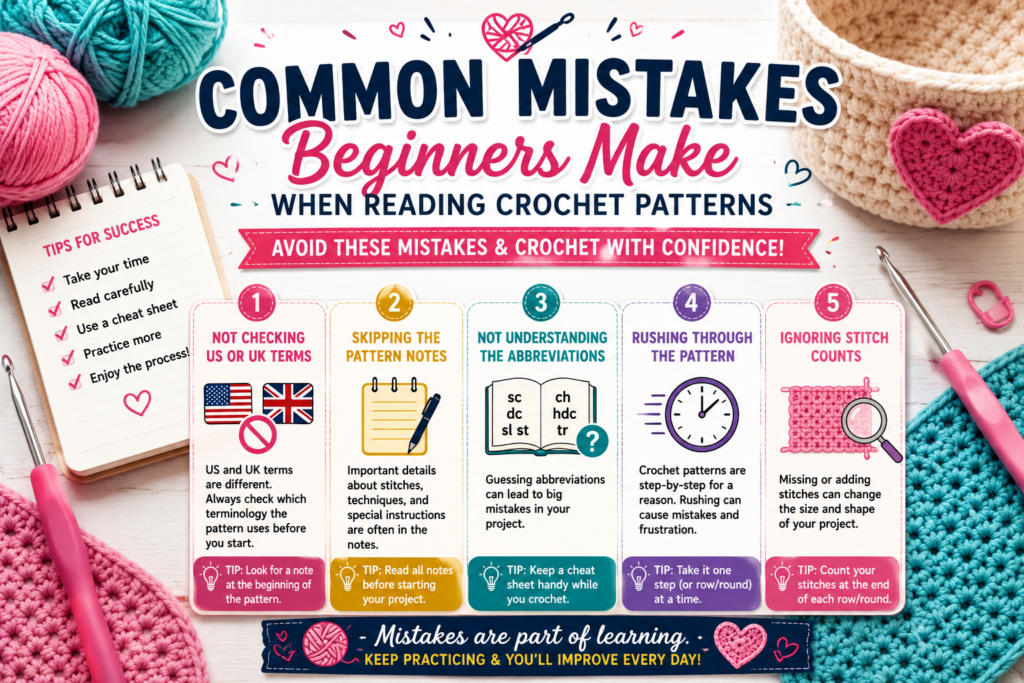
Many beginners think they need to memorize every crochet abbreviation before starting a project. In reality, that’s not necessary. Keep a printable cheat sheet nearby and refer to it whenever you encounter a new abbreviation.
Another common mistake is skipping the pattern notes. These notes often explain whether the pattern uses US or UK terms, special stitches, or important instructions that can affect the final result.
Finally, don’t rush through the instructions. Crochet patterns are designed to be followed step by step. Taking your time helps reduce mistakes and makes learning much more enjoyable.
A comfortable crochet hook can also improve your experience, especially during longer practice sessions.
👉 Recommended Ergonomic Crochet Hook Set
Practice Your Skills with an Easy Crochet Pattern
Now that you understand the most common crochet abbreviations and the differences between US and UK terms, the best way to remember them is through practice. Reading about crochet is helpful, but using these abbreviations in a real project is what builds confidence.
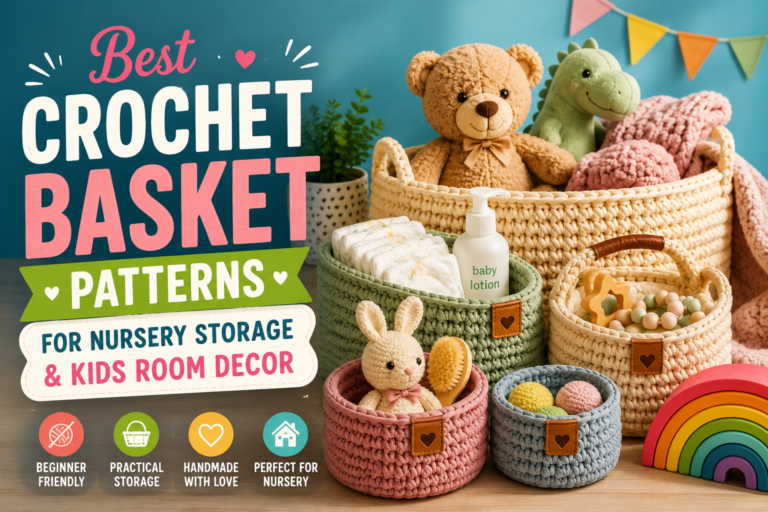
If you’re looking for a beginner-friendly project, try an easy crochet basket pattern. Simple basket patterns use many of the basic abbreviations covered in this guide, making them perfect for practicing your new skills while creating something useful for your home.
👉 Recommended Check the Beginner Friendly 20 Crochet Baskets Bundle
If you don’t already have a complete beginner’s toolkit, consider starting with an all-in-one crochet kit that includes hooks, yarn, stitch markers, and accessories.
👉 Recommended Coopay Traveling Crochet Kit for Beginners
Conclusion
Learning crochet abbreviations is one of the most important first steps in becoming a confident crocheter. Once you understand what each abbreviation means and know whether a pattern uses US or UK terminology, reading crochet patterns becomes much easier.
Keep this crochet abbreviations cheat sheet bookmarked or print it for quick reference whenever you start a new project. With regular practice, you’ll soon recognize these abbreviations without needing to look them up, allowing you to enjoy your crochet projects with greater confidence.
Frequently Asked Questions (FAQs)
1. What are crochet abbreviations?
Crochet abbreviations are shortened forms of stitch names and instructions used to make crochet patterns easier to read and follow.
2. Are US and UK crochet abbreviations the same?
No. Many stitch names are different between US and UK crochet terminology, so always check which system a pattern uses before you begin.
3. What is the most common crochet abbreviation?
Some of the most common abbreviations include ch (chain), sc (single crochet), dc (double crochet), sl st (slip stitch), and hdc (half double crochet).
4. Where can I find beginner-friendly crochet patterns?
Beginner crochet basket patterns are a great place to start because they use simple stitches and common abbreviations.
5. Should I memorize all crochet abbreviations?
No. Most beginners keep a crochet abbreviation cheat sheet nearby while practicing. Over time, the abbreviations become familiar through regular use.